Money Nobody Controls Let's design the perfect money and see if it could ever work.

The short version
- Every kind of money so far has had someone in charge who could change the rules.
- Let's design money with no one in charge.
- It's harder than it sounds, and it comes with real tradeoffs.
Every money has had a boss
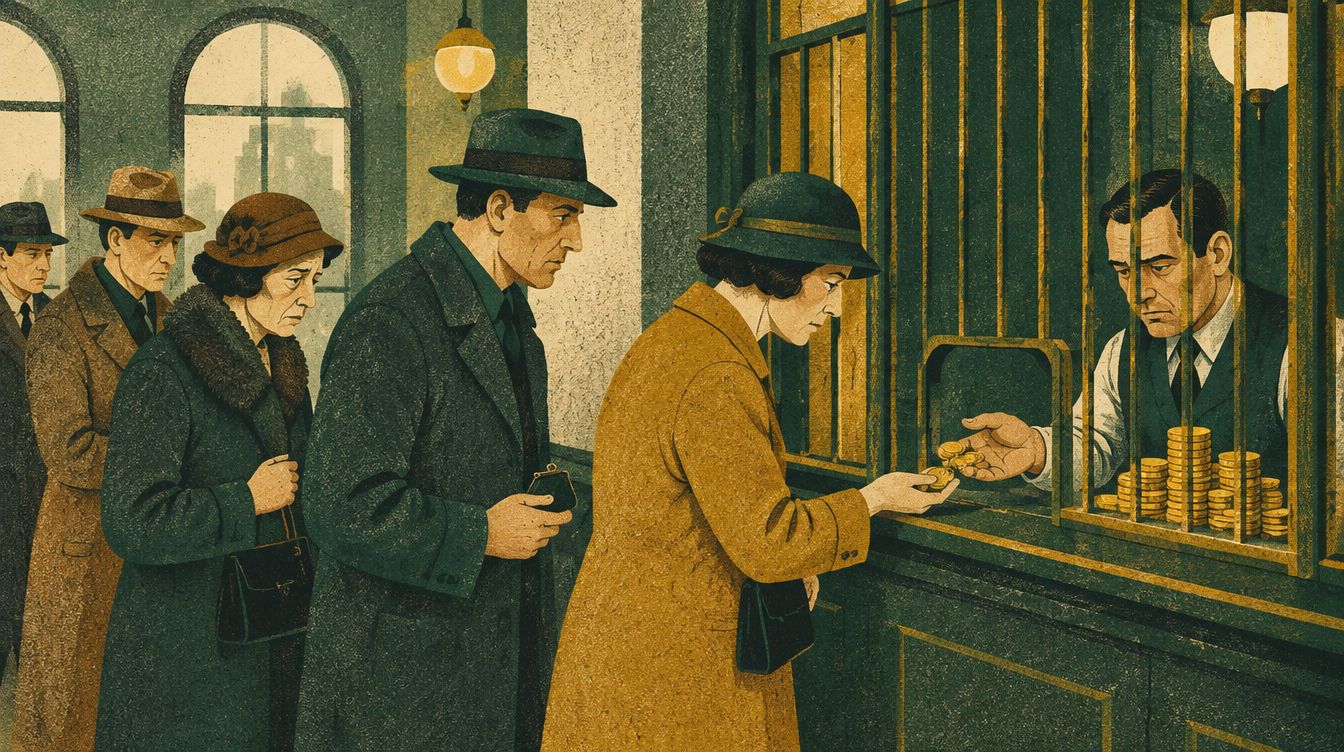
In Part 2 we imagined Fixedland, where nobody could create new money. The closest America ever came was the gold standard. But even gold had a boss.
On April 5, 1933, President Franklin Roosevelt ordered Americans to turn in their gold coins and bars. People were paid $20.67 an ounce. The next year the government raised the official price to $35. The gold people had handed over was suddenly worth about 70% more, and the government kept the difference.
The lesson isn't really about gold. Whoever holds the gold, or runs the bank, or decides how many dollars to make, can change the rules. Sometimes that's useful, like rescuing banks in a panic. Sometimes it costs regular people.
So here's a fun question: could you design money with no boss at all?
Let's design it
Grab a napkin. Here's our wish list:
Nobody can make more
The total is set at the start. Not a president, not a bank, not even the inventor can add more.
Nobody can fake it
No counterfeits, and no spending the same money twice.
No bank needed
Send it to anyone, anywhere, at 2 a.m. on a Sunday, the way you'd hand someone cash.
Anyone can check
No secret vault. Anybody can count exactly how much exists.
| Gold | Dollars | Our dream money | |
|---|---|---|---|
| Nobody can make more | Mostly. Mining adds about 1 to 2% a year | No. Banks and the Fed make more | Yes |
| Nobody can fake it | Mostly. Fakes are rare and testable | Mostly. Counterfeits exist | Yes |
| No bank needed | In person only | Cash in person. Digital dollars need a bank | Yes, even across the world |
| Anyone can check | Partly. You can test a coin, not count the world's gold | Partly. Totals are published, but you trust the Fed and banks | Yes |
| Track record | 5,000 years | Over 230 years | Brand new |
| Steady value | Over decades, mostly | Loses a little every year | Not so far |
| Can undo a mistake | No | Often. Banks reverse fraud | No |
The first four rows are the dream. The last three are the catch. Keep them in mind.
The copy problem
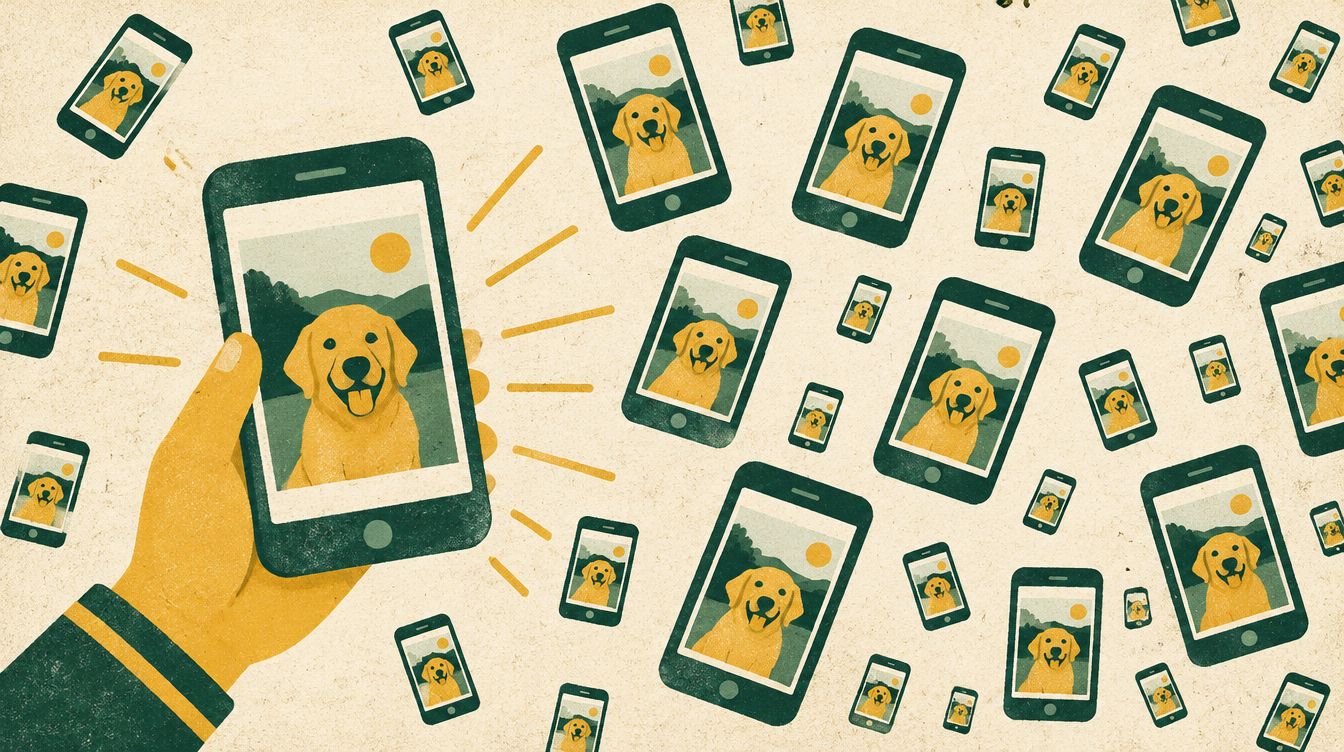
To send money across the world, it has to be digital. And anything digital can be copied. Text a photo of your dog to 50 people and all 50 have it. If money worked like that, you could spend the same dollar 50 times.
Banks solve this by keeping the one official list of who owns what. That's exactly why we need them, and why they get to be the boss. For decades, every attempt at digital cash ended up needing a company in charge.
The trick: everybody keeps the notebook
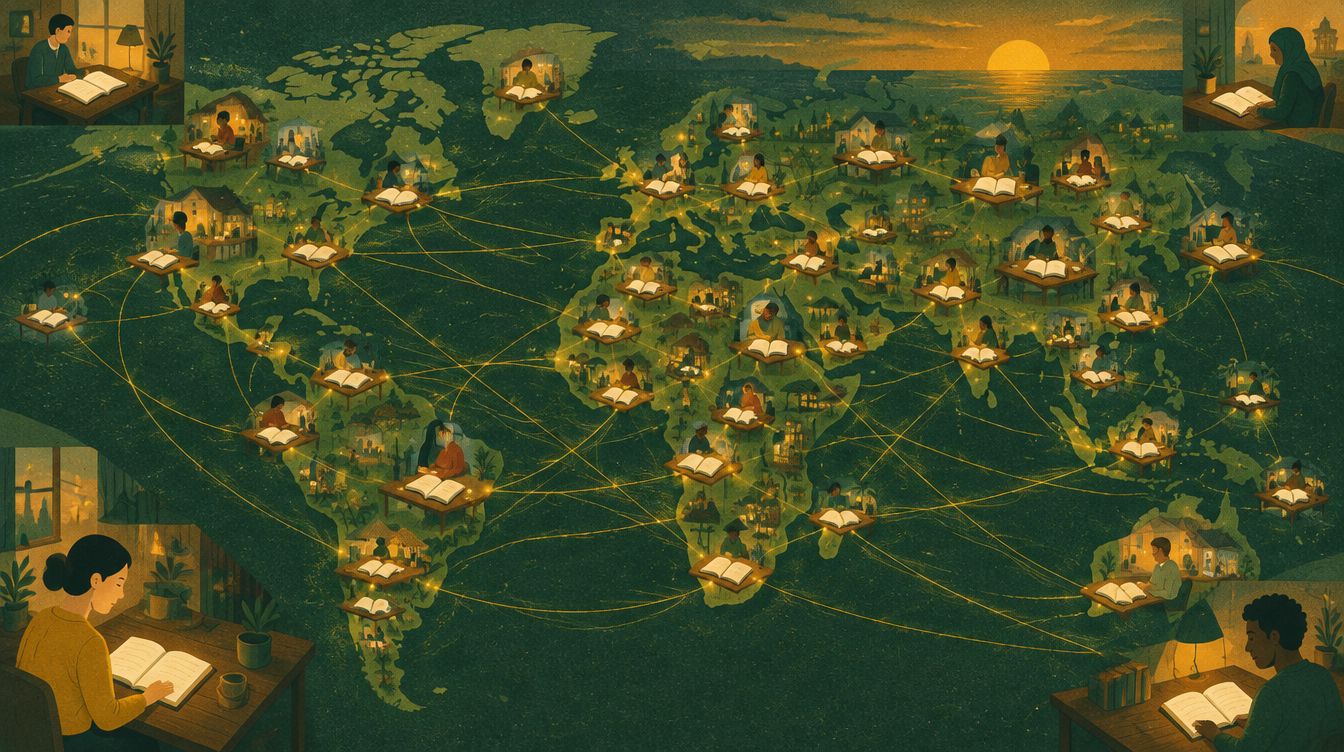
So here's an idea. What if there were no official list in a vault? What if everybody kept a copy?
Picture a notebook that records every payment ever made. Now picture thousands of identical copies on computers all over the world. When you pay someone, all of them hear about it. Every few minutes a new page gets added, and thousands of computers check every line against the rules. Try to spend the same money twice and they reject it.
Nobody owns the notebook. To change the rules, you'd need nearly everyone running a copy to agree, which almost never happens. A government could shut down some of the computers and the rest would keep going.
Who adds the pages? Anyone can. But first they have to do a lot of hard computer work. That makes cheating very expensive. As a reward, whoever adds a page gets a few brand-new coins. That's the only way new coins are made.
A schedule nobody can change
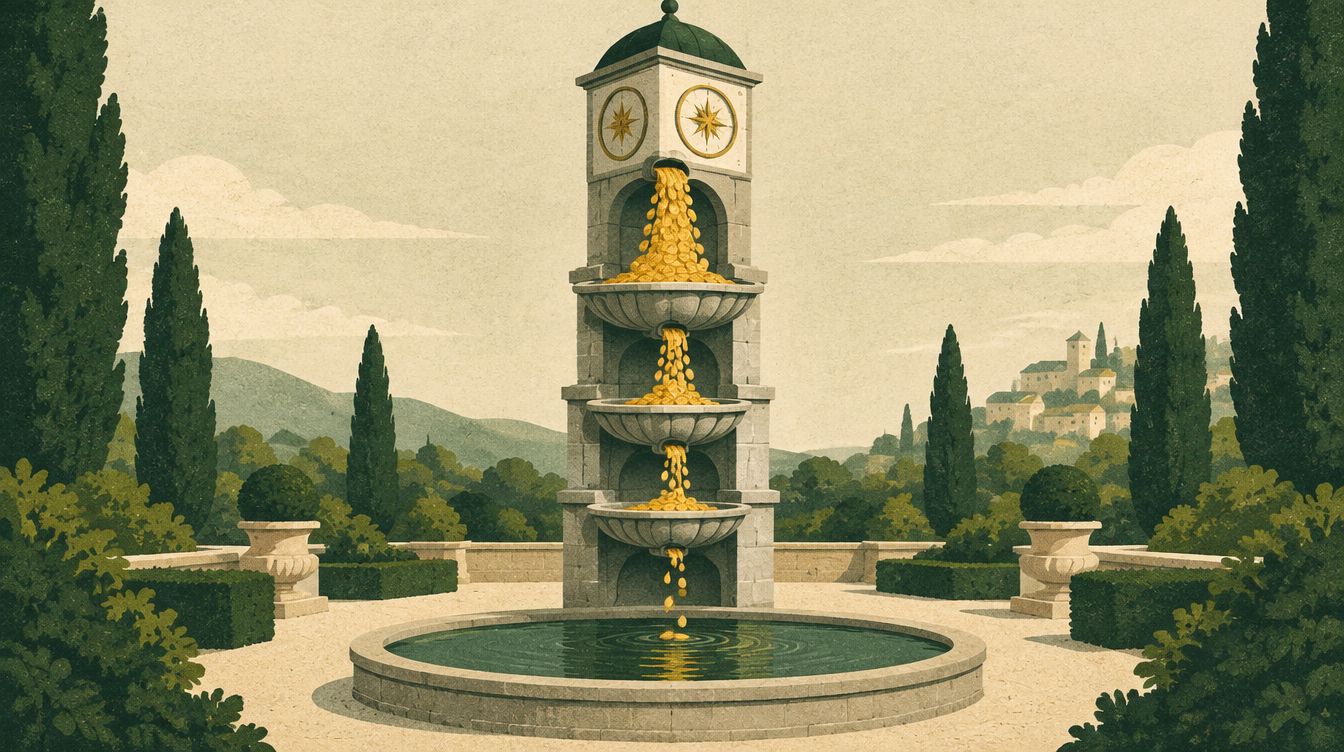
How many coins should there be? Here's the plan. New coins come out on a schedule written into the rules, and every four years the amount gets cut in half. Fast at first, then slower, then a trickle, until it stops at a hard limit. A page with even one extra coin gets rejected by everyone else.
No surprise gold rush. No meeting where somebody decides to make more. You'd know the total supply a hundred years ahead.
Sounds amazing
Money nobody can print or fake. Send it to anyone on Earth without asking a bank. Count every coin yourself.
But wait.
Somebody already did.
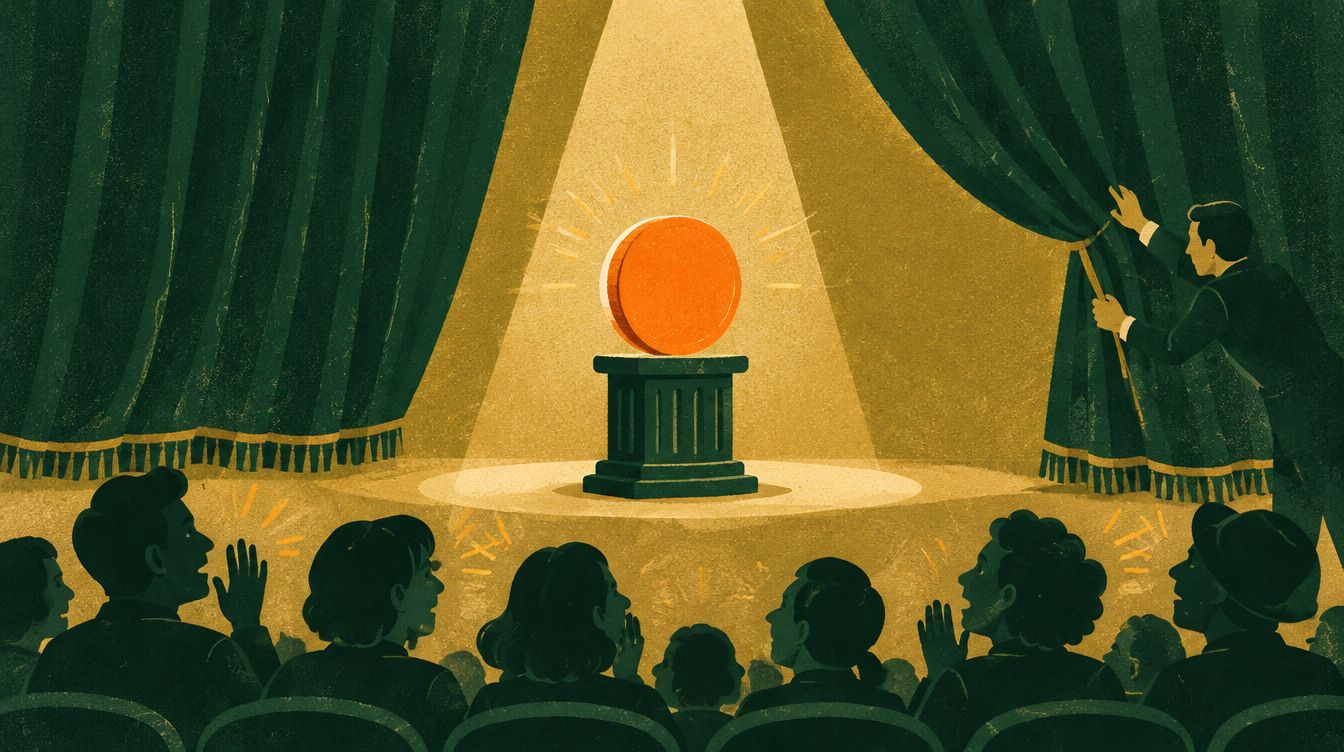
On January 3, 2009, a few months after the big bank bailouts, someone using the name Satoshi Nakamoto switched on the first copy of the notebook. On its very first page, they left the headline from that day's Times of London:
It's called Bitcoin. The design you just read is how it works. The shared notebook is called the blockchain. A new page gets added about every 10 minutes. New coins get cut in half about every four years. And the limit is 21 million coins. In 17 years, it has never changed.
Satoshi stopped posting in 2011 and has never been identified.
Dollars: Federal Reserve M2, rounded. Bitcoin: set by its schedule.
Fixedland, for real
Remember Part 2? Bitcoin is close to Fixedland money, and even stricter, because its supply stops growing completely. Supporters expect that to make each coin buy more over time. So far, though, its price has been driven mostly by how many people want it, in huge swings.
Part 2's bad side applies too, including its worst case: the panic with no brakes. A hard limit can't fix that, and nobody knows yet how capped money would behave in a real crisis. That's a big reason most economists prefer a little steady inflation. It gives a central bank room to fight a panic. Debts in Bitcoin would also get heavier over time.
One big difference: nobody has to switch. One of the hardest parts of Part 2 was forcing a whole country to change overnight. Bitcoin runs alongside the dollar. You can use it or ignore it.
The honest problems
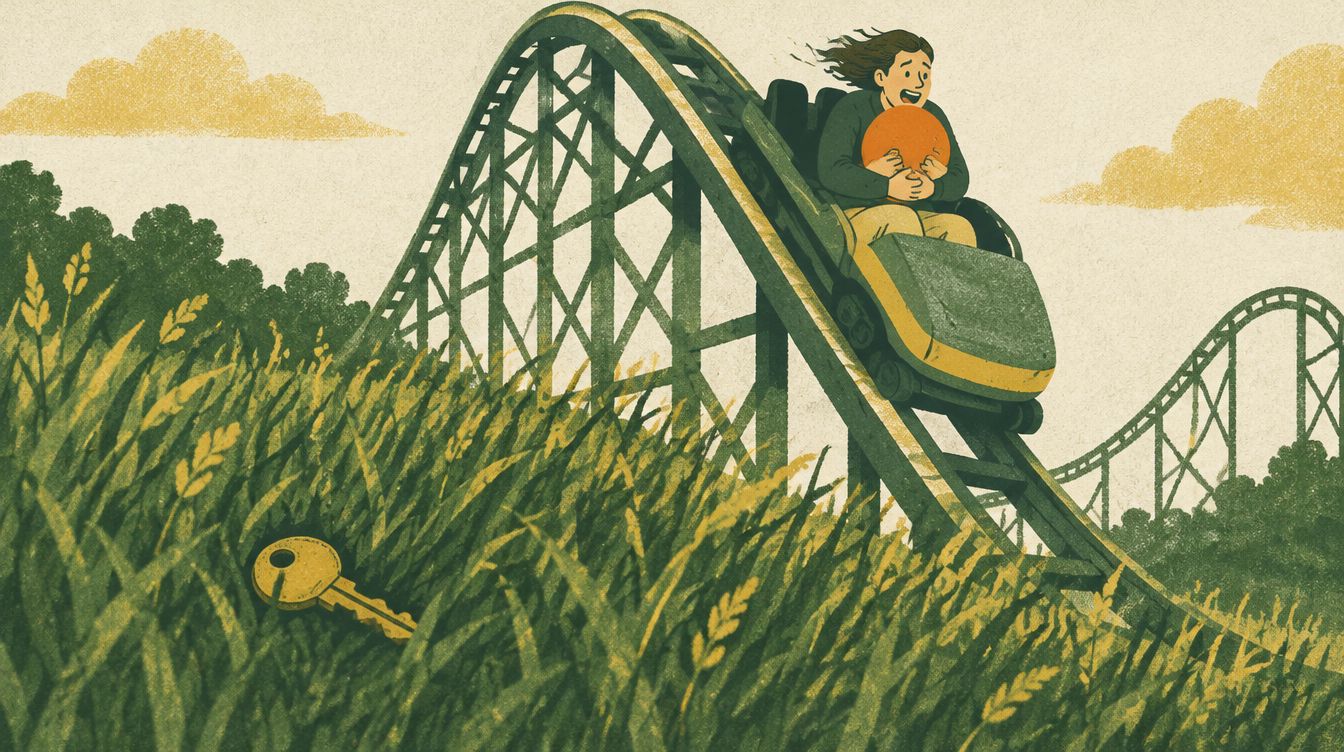
The price swings hard
From late 2021 to late 2022 it fell about 75%. Anyone who needed that money that year got hurt. That's the "steady value" row.
Lose your key, lose your money
There's no bank to call and no password reset. Several million coins are believed lost for good. That's the "undo a mistake" row.
Early birds got the most
Part 2 said nobody in Fixedland gets new money first. Bitcoin's version of that problem is the early days. The first people running the computers got coins for almost nothing. Satoshi is believed to hold about a million coins that have never moved.
Companies holding it have collapsed
FTX, a huge exchange, went bankrupt in 2022 with customers' money inside. The coins weren't the problem. The company holding them was.
It uses a lot of electricity
That's the price of making cheating expensive. Critics call it waste. Supporters say miners chase the cheapest power, often power that would otherwise go unused.
Scams are everywhere
Anyone who contacts you first, promises to double your money, or asks you to send coins is a scammer.
Where it stands today: since January 2024, the SEC has allowed Bitcoin funds, so people can own it through an ordinary brokerage or retirement account. In March 2025 the U.S. government set up a Bitcoin reserve, using coins it had seized in criminal cases.
What this means for you
- You don't have to do anything. Your dollars still pay the bills.
- An emergency fund and no high-interest credit card debt come before anything else.
- If you're curious, learn how it works before you buy any, and only put in money you could leave alone for years and afford to lose.
- If you do buy some, many people now use a Bitcoin fund in a regular brokerage account. On a fixed income, talk it over with someone you trust first. Selling or spending it can be taxable, like selling a stock.
- Holding it yourself means holding your own key, with no reset. Learn that first.
- Nobody honest will message you first. This is education, not financial advice.
What critics say
Nothing backs it, and it earns nothing, so its price rests entirely on what people believe it's worth. Its swings make it poor everyday money. And a fixed supply can't fight a panic. Many economists think that last one is the deal-breaker.
Why I think it matters
This is one person's view, not advice. What got me wasn't the price. It was the rules. Every kind of money in this series could be made more of by somebody. Dollars have no limit. Bitcoin stops at 21 million. That part isn't opinion, it's written into the rules, and it hasn't moved in 17 years.
Whether that makes it good money is the open question, and the price will keep swinging while the world figures it out. That fixed supply is the whole appeal, and it's also part of why the price swings. But for the first time, regular people can save in something digital that nobody can quietly print more of.
Dr. P
Three parts, one question
Who gets to make the money?
- Executive Order 6102 (April 5, 1933) and the Gold Reserve Act (1934)
- Satoshi Nakamoto, "Bitcoin: A Peer-to-Peer Electronic Cash System" (2008)
- The Bitcoin genesis block, January 3, 2009
- Federal Reserve M2 money supply data
- SEC approval of spot bitcoin funds (January 2024); Strategic Bitcoin Reserve executive order (March 2025)